The Small Purchases That Quietly Become Your Credit Card Bill
The credit card bill that surprises you is not always from one big purchase. Sometimes it is from a hundred small permissions — coffee, Grab, milk tea, one more subscription.
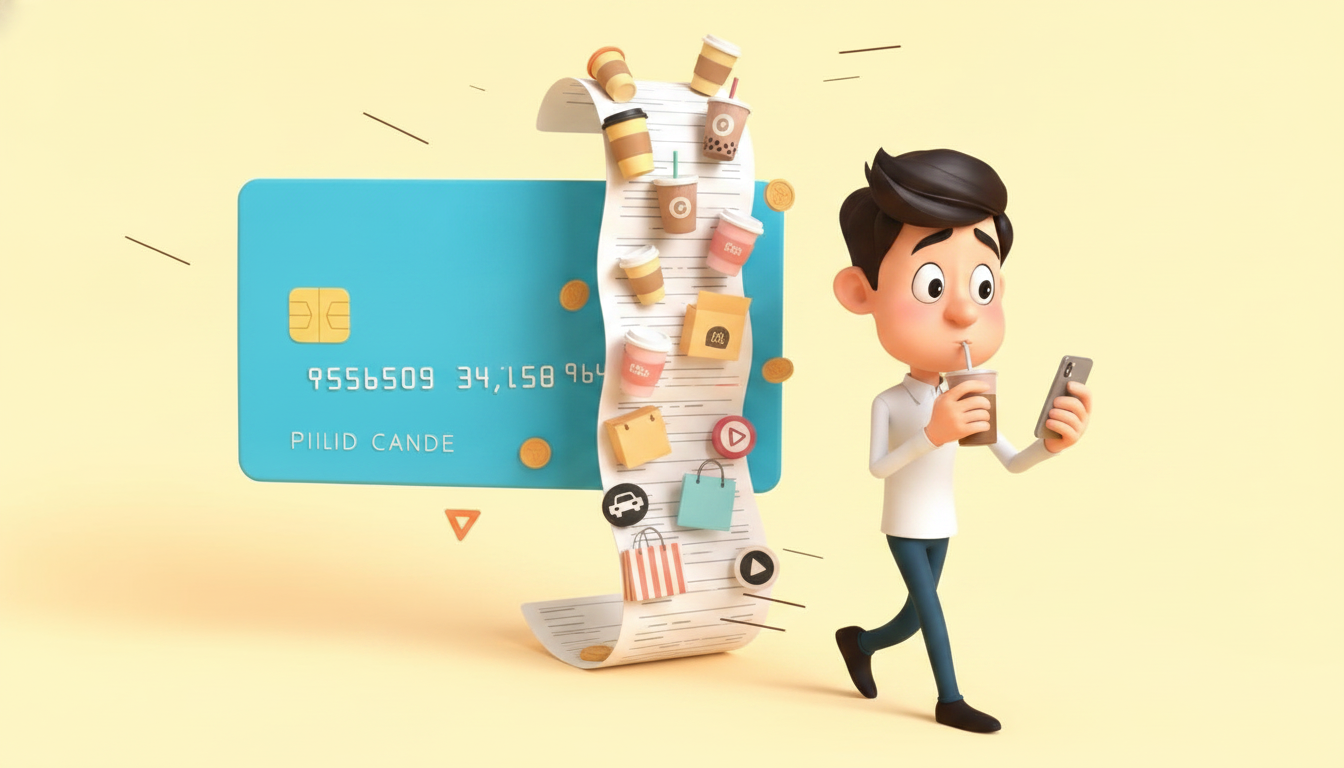
The credit card bill that surprises you is not always from one big purchase.
Sometimes it is from a hundred small permissions.
Coffee after work. Dessert after dinner. Grab because you are tired. Milk tea because it is only a few hundred pesos. A subscription you forgot was renewing. A quick online order. A convenience purchase that felt harmless in the moment.
None of them feels like a financial decision.
That is why they are dangerous.
When I first started using a credit card, the spending did not feel heavy right away. After a few years, I had changed jobs and started earning more. Life felt easier. I was no longer thinking like the person who had to stretch a smaller salary. I had more room, so I used more room.
At first, it did not feel like lifestyle inflation.
It felt like comfort.
I could take Grab instead of commuting. I could eat out more. I could buy coffee or dessert after office hours. I could spend without immediately seeing cash leave my wallet.
Then the statement arrived.
The problem was not that I bought one huge thing. It was that many small things became one big bill.
Credit cards make small spending feel invisible
Cash has friction.
When you pay with cash, you see the money leave. When you pay with a debit card, your balance goes down almost immediately. There is a small moment of pain because the spending is visible.
A credit card changes that feeling.
You still spend, but your cash balance stays the same for now. The cost is real, but the emotional impact arrives later.
That delay makes small purchases easy to underestimate.
A PHP 180 coffee does not feel like a problem. A PHP 250 dessert does not feel irresponsible. A PHP 300 Grab ride feels justified after a long day. A PHP 500 dinner add-on feels normal when you are with friends.
One purchase is fine.
The issue is repetition.
Small purchases become dangerous when they become automatic. You stop asking if they fit the budget because each one feels too small to question.
The card does not feel like debt yet.
It feels like convenience.
Lifestyle inflation usually starts quietly
Lifestyle inflation does not always look dramatic.
It is easy to imagine it as someone buying luxury bags, upgrading cars, booking expensive trips, or moving into a condo they cannot afford. Those things can happen, but for many Filipino professionals, lifestyle inflation starts in smaller ways.
You stop commuting as much.
You order instead of cooking.
You eat dessert after meals.
You say yes to another dinner.
You subscribe to another tool.
You buy small things online because the amount does not feel worth thinking about.
That was what happened to me. As my salary improved, my standard of “normal spending” also changed. The problem was not wanting a better life. Wanting comfort is not wrong.
The problem was that I did not notice how many small comforts had become routine.
A credit card can hide that shift. Because cash does not leave immediately, you can feel like you are still okay. Your bank balance looks stable. Payday arrives. You still have money.
Until the statement collects everything.
Then you realize the card has been keeping score.
The statement tells the truth your memory misses
Most people do not remember every small purchase they made in the last 30 days.
You remember the big ones. The flight. The gadget. The hotel. The gift. The appliance.
But you may not remember every coffee, parking fee, delivery order, Grab ride, app subscription, and quick meal.
That is why the statement can feel unfair even when it is accurate.
You look at the total and think, “How did it get this big?”
Then you scan the transactions and realize there is no mystery. The answer is there, line by line.
In one anonymized credit card statement, the spending pattern included transport, food, coffee, travel-related expenses, online purchases, subscriptions, and foreign-currency transactions spread across many dates. The structure alone shows the lesson: credit card bills are often built from ordinary transactions, not just one obvious splurge.¹
That is the real value of reading your statement.
Not to shame yourself.
To see the pattern.
A statement is not only a bill. It is a mirror of your habits.
Food, transport, and convenience are easy to justify
Some expenses are easier to question.
A new phone? You pause.
A pair of shoes? You think twice.
A hotel booking? You check your balance.
But food and transport are different because they feel necessary. You need to eat. You need to get around. You need small breaks from work. You need convenience when you are tired.
That makes them easier to justify.
The danger is not one dinner or one Grab ride. The danger is when convenience becomes the default setting for every stressful day.
A tiring day becomes coffee.
A late night becomes Grab.
A stressful week becomes eating out.
A busy month becomes delivery.
None of these is automatically bad. Money is supposed to support your life. The goal is not to remove every small pleasure.
The goal is to know which pleasures are becoming invisible.
Because once spending becomes invisible, it becomes hard to control.
Tracking is not about guilt
A lot of people avoid tracking because it feels restrictive. It feels like the beginning of guilt. You imagine a spreadsheet telling you that every coffee was wrong and every Grab ride was a mistake.
That is not the point.
Tracking is not about proving that you are bad with money. It is about giving names to where your money goes.
Food. Transport. Subscriptions. Shopping. Family. Travel. Health. Work tools. Bills.
Once the categories are visible, you can make better decisions.
Maybe you are fine with your coffee spending, but your Grab costs are too high. Maybe dining is worth it, but subscriptions need cleanup. Maybe the problem is not food, but the frequency of unplanned food spending after work.
This is why a simple statement review can help. You can export your transactions, group them by category, and check what actually grew.
Richable also has a Credit Card Statement Analyzer that helps with this: upload your statement, convert it into an Excel file, and start with automatic categories. The categories may not be perfect, but they give you something better than guessing.
Without tracking, everything becomes one emotional number: the total amount due.
With tracking, the bill becomes information.
That is a big difference.
The Richable rule
Small purchases are still purchases.
They may not feel important when you make them, but the credit card remembers. At the end of the cycle, it gathers every coffee, dessert, ride, subscription, and quick order into one number.
That number can either surprise you or teach you.
A credit card does not create your spending habits. It reveals them, often after the fact.
The goal is not to stop enjoying small things. The goal is to stop letting small things become invisible.
Because the bill that hurts is not always the one big purchase you regret.
Sometimes it is the life you kept saying yes to, one small swipe at a time.
Sources
¹ Anonymized credit card statements shared by the author, used only to observe transaction patterns and statement structure. The sample BPI statement shows multiple posted transactions across transport, food, subscriptions, travel-related spending, online purchases, and foreign-currency charges.
² Bangko Sentral ng Pilipinas, Debt Management learning module. The module explains the importance of understanding billing statements, total amount due, minimum amount due, finance charges, and repayment behavior.